
Dream state meaning describes the condition of the mind during dreaming, where thoughts, emotions, memories, images, and sensations appear while the body is asleep. The dream state is mainly connected with REM sleep, a phase where the brain shows increased activity and creates vivid dream experiences. Understanding dream state meaning involves exploring consciousness, subconscious processes, mental imagery, and the connection between dreams and human awareness.
The dream state meaning can be viewed from scientific, psychological, and spiritual perspectives. From a scientific view, the dream state relates to brain activity, sleep cycles, and memory processing. From a psychological view, dreams may reflect emotions, thoughts, experiences, and inner conflicts. From a spiritual view, some people connect the dream state with intuition, symbolic messages, higher awareness, and personal reflection.
Dreams have been part of human experience throughout history. People often search for the dream state meaning because dreams can feel powerful, unusual, and deeply personal. A dream may include familiar places, unknown situations, strong emotions, or symbolic events that encourage people to think about their inner world.
Key Takeaways
- Dream state meaning relates to dreaming, consciousness, sleep, and internal mental experiences.
- The dream state commonly occurs during REM sleep, when vivid dreams and active brain processes happen.
- Dreams can involve memories, emotions, imagination, symbols, and subconscious thoughts.
- A spiritual dream state meaning may connect dreams with intuition, reflection, and inner awareness.
- Dream states can also include lucid dreams, waking dreams, and altered states of consciousness.
What Is the Dream State?
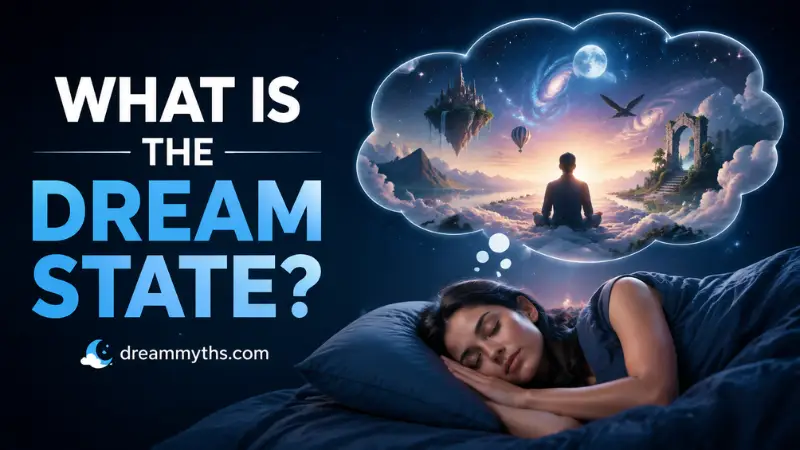
The dream state is a mental condition where the brain creates experiences during sleep. These experiences may include images, sounds, emotions, memories, sensations, and stories that feel real to the person dreaming. The dream state meaning is closely connected with the way the human brain processes information while the body rests.
The dream state is most commonly linked with REM sleep, which stands for rapid eye movement sleep. During this sleep stage, brain activity becomes more active compared with other sleep stages. This activity supports vivid dreams, emotional experiences, and complex mental imagery.
The dream state meaning also involves the relationship between conscious awareness and unconscious processes. While dreaming, a person may experience thoughts and feelings that are different from normal waking life. The mind can combine memories, imagination, emotions, and personal experiences into unique dream scenarios.
Common features connected with the dream state include:
- Dream images and mental pictures
- Emotional reactions
- Memories and personal experiences
- Symbolic scenes and events
- Changes in awareness
- A different perception of time and reality
The dream state meaning is not limited only to sleep. Some people use the term to describe dream-like awareness during meditation, deep relaxation, creative thinking, or moments of strong imagination. These experiences can feel different from ordinary awareness because the mind focuses more on internal thoughts and sensations.
Dream State Meaning and Consciousness
Dream state meaning is closely connected with consciousness because dreams represent a different level of awareness from normal waking life. Consciousness refers to awareness of thoughts, feelings, surroundings, and experiences. During dreaming, awareness changes as the brain creates an internal experience instead of focusing mainly on the outside world.
The dream state of consciousness can involve reduced awareness of the physical environment and increased attention toward internal experiences. A person may see places, people, or events created by the mind while sleeping.
The connection between the dream state and consciousness includes:
- Awareness changes
The mind experiences a different level of awareness compared with waking life. - Internal perception increases
Dreams rely heavily on imagination, memories, emotions, and mental imagery. - Reality perception changes
Events in dreams may feel real even though they happen within the mind. - Subconscious activity appears
Dreams may include thoughts and feelings connected with personal experiences.
The dream state meaning from a consciousness perspective shows how flexible human awareness can be. The mind can create detailed experiences without direct input from the external environment.
What Is the Dream State Called?
The dream state is commonly called the REM state or REM sleep because many vivid dreams occur during this stage of sleep. REM means rapid eye movement, a phase where the brain becomes highly active while the body remains relaxed.
Other terms connected with the dream state include:
- Dreaming phase
- Sleep state
- Altered state of consciousness
- Unconscious state
- Dream phase
- Mental state during sleep
The name used depends on the context. Scientists often describe the dream state through sleep stages and brain activity, while spiritual and psychological discussions may focus on awareness, symbolism, and inner experiences.
What Is Considered the Dream State?
The dream state is considered the period when a person experiences dreams, mental imagery, emotions, and internal experiences during sleep. Although dreams can occur during different sleep stages, vivid dream experiences are strongly associated with REM sleep.
A dream state may include:
- Visual experiences
- Emotional feelings
- Imagined conversations
- Memories
- Symbols
- Creative ideas
- Changes in awareness
The dream state meaning can vary depending on the perspective used to understand it. A neuroscientific approach focuses on brain processes, while psychological approaches examine emotions and memories. Spiritual interpretations may focus on awareness, intuition, and personal meaning.
Dream State Meaning Spiritual
Dream state meaning spiritual focuses on the connection between dreams, awareness, intuition, inner guidance, and personal reflection. Many spiritual traditions view the dream state as a space where people may explore emotions, symbols, memories, and deeper aspects of the self. The spiritual interpretation of dreams can vary depending on personal beliefs and cultural background.
The dream state meaning spiritual perspective often connects dreams with:
- Inner wisdom
- Intuition
- Personal growth
- Reflection
- Symbolic messages
- Emotional awareness
- Spiritual experiences
Some people believe dreams can provide insight into personal questions or life experiences. Others view dreams as a natural process of the subconscious mind that helps organize thoughts, memories, and emotions.
The spiritual dream state may also be connected with meditation and higher consciousness. During meditation or deep relaxation, some individuals describe experiences that feel similar to dreaming, including visions, strong imagery, and a sense of expanded awareness.
The dream state meaning spiritual interpretation does not have one universal explanation. Different belief systems understand dreams in different ways. Some focus on divine guidance, while others focus on self-discovery, reflection, and understanding the inner world.
Spiritual Awareness and Dream Experiences
Dream state meaning is often connected with spiritual awareness because dreams can create experiences that feel meaningful and emotionally powerful. A person may wake from a dream with strong feelings, important memories, or ideas that encourage personal reflection.
Spiritual interpretations of dream experiences may include:
- Messages from the subconscious mind
- Connection with inner self
- Personal transformation
- Emotional healing
- Symbolic understanding
- Awareness of hidden thoughts
The dream state can feel different from normal consciousness because the mind creates experiences without relying on direct physical surroundings. This difference is why many people associate dreams with imagination, intuition, and spiritual exploration.
Types of Dream States
Types of dream states describe different forms of dreaming experiences and levels of awareness. The human mind can experience various dream conditions depending on sleep stage, mental activity, and awareness during the experience.
Common types of dream states include:
| Dream State Type | Main Feature | Awareness Level |
|---|---|---|
| REM Dreaming | Vivid dreams during REM sleep | Low awareness |
| Lucid Dreaming | Awareness of being inside a dream | Higher awareness |
| Normal Dreaming | Regular dream experiences | Limited awareness |
| Nightmares | Fear-based dream experiences | Emotional intensity |
| Hypnagogic State | Images before falling asleep | Transitional awareness |
| Hypnopompic State | Experiences while waking up | Transitional awareness |
| Waking Dreams | Dream-like thoughts while awake | Conscious imagination |
REM Dreaming
REM dreaming is one of the most recognized forms of the dream state. It occurs during rapid eye movement sleep, when the brain produces active mental experiences while the body remains relaxed.
REM dreams often include:
- Detailed images
- Strong emotions
- Complex stories
- Memories
- Symbolic experiences
The dream state meaning in REM sleep is often studied through brain activity, sleep patterns, and memory processing. Researchers examine how the brain creates dreams and how dreaming may relate to emotions and experiences.
Lucid Dreaming
Lucid dreaming occurs when a person becomes aware that they are dreaming while the dream is still happening. This type of dream state involves a higher level of awareness compared with ordinary dreams.
During lucid dreaming, some people may:
- Recognize they are dreaming
- Observe dream events consciously
- Influence parts of the dream
- Explore imagination more intentionally
Lucid dreaming connects with the dream state meaning because it shows that awareness can exist inside a dream experience. It creates a unique combination of dreaming and conscious recognition.
Normal Dreaming
Normal dreaming refers to common dream experiences that happen during sleep without awareness that the person is dreaming. These dreams may include daily events, memories, emotions, imagined situations, and symbolic scenes.
Normal dreams can involve:
- Familiar people
- Places from memory
- Personal concerns
- Creative ideas
- Emotional experiences
The dream state meaning of normal dreaming is often explored through personal interpretation. People may look at dreams to understand emotions, thoughts, or experiences that appear in symbolic forms.
Nightmares
Nightmares are intense dream experiences often connected with fear, stress, danger, or strong negative emotions. They are a type of dream state where emotional experiences become especially powerful.
Nightmares may include:
- Fearful situations
- Threatening events
- Anxiety-related themes
- Emotional reactions
The dream state meaning of nightmares can be interpreted in different ways. Psychological views may connect nightmares with stress or emotional processing, while personal interpretations may focus on symbolic meaning.
Hypnagogic and Hypnopompic States
Hypnagogic and hypnopompic states are transitional dream-like experiences connected with changes between sleep and wakefulness.
Hypnagogic State
The hypnagogic state occurs while a person is falling asleep. During this period, some people experience:
- Visual images
- Sounds
- Sensations
- Short dream-like experiences
Hypnopompic State
The hypnopompic state occurs while a person is waking up. It may involve:
- Remaining dream images
- Confusion between dream and reality
- Temporary unusual perceptions
These states show that dream experiences are not limited only to deep sleep. The mind can create dream-like experiences during transitions between different awareness levels.
Dream State Trance
Dream state trance describes a condition where awareness becomes deeply focused, relaxed, or altered. This experience can be associated with meditation, hypnosis, visualization, and deep concentration.
A dream state trance may involve:
- Deep relaxation
- Focused attention
- Reduced awareness of surroundings
- Strong imagination
- Inner experiences
The dream state meaning in a trance context connects with altered consciousness. Some people compare trance experiences with dreaming because both involve changes in perception and attention.
A trance state does not always involve sleep. A person can remain awake while experiencing deep focus, visualization, or altered awareness. This makes trance different from ordinary dreaming, even though both involve changes in mental experience.
Dreaming While Awake With Eyes Open
Dreaming while awake with eyes open describes a condition where a person experiences dream-like thoughts, images, or imagination while remaining conscious. This experience is different from normal sleep dreaming because the person is awake and aware of the surrounding environment.
This type of experience may include:
- Daydreaming
- Visualization
- Creative imagination
- Mental imagery
- Fantasy
- Inner experiences
- Strong personal thoughts
The dream state meaning in waking experiences relates to how the mind can create detailed internal images without being asleep. A person may imagine future events, replay memories, or create scenes in their mind while still interacting with the outside world.
Awake Dreaming and Daydreaming
Awake dreaming is often connected with daydreaming, where the mind moves into an imaginative state during normal activities. People may experience this while relaxing, traveling, listening to music, or focusing on creative ideas.
Daydreaming can involve:
- Personal goals
- Memories
- Future possibilities
- Creative ideas
- Emotional reflection
The dream state meaning of awake dreaming shows that dream-like experiences can happen beyond nighttime sleep. The brain can create mental images and stories during conscious awareness.
Dream State Synonym
Dream state synonym refers to other words and phrases used to describe a dreaming condition or altered mental experience. Different terms may focus on sleep, awareness, imagination, or consciousness.
Common dream state synonyms include:
- Dream world
- Dream phase
- Dreaming state
- Sleep state
- Altered state
- Unconscious state
- Trance state
- Subconscious state
- Mental state
- Dream condition
The correct term depends on the context. A scientific discussion may use terms connected with sleep stages and brain activity, while psychological or spiritual discussions may use words related to awareness and inner experiences.
The dream state meaning remains connected with the idea of an internal experience created by the mind, whether during sleep or an altered awareness condition.
Dream State of Consciousness
Dream state of consciousness describes a unique level of awareness that occurs during dreaming. In this state, the mind creates experiences through memories, emotions, thoughts, and imagination while awareness of the external environment decreases.
The dream state of consciousness includes:
- Internal perception
- Emotional experiences
- Symbolic thinking
- Mental imagery
- Changed awareness
- Altered reality perception
The dream state meaning from a consciousness perspective shows that human awareness can exist in different forms. Waking consciousness focuses on the external world, while the dream state focuses mainly on internal experiences.
Dream State and Brain Activity
Dream state brain activity involves complex processes that allow the mind to create dreams. During dreaming, different areas of the brain work together to produce images, emotions, memories, and sensations.
Brain-related elements connected with the dream state include:
- Neural activity
- Memory processing
- Emotional responses
- Imagination
- Cognitive processes
- Mental imagery
The dream state meaning can be explored by studying how the brain transforms stored information into dream experiences.
Dream State Interpretation
Dream state interpretation involves understanding dreams through personal, psychological, cultural, or spiritual perspectives. People often interpret dreams because certain images, emotions, and events may feel meaningful.
Dream interpretation may focus on:
- Symbols
- Emotions
- Personal memories
- Life experiences
- Inner thoughts
- Subconscious feelings
The dream state meaning through interpretation depends on the person experiencing the dream. A symbol may have different meanings for different individuals because dreams are connected with personal experiences.
Psychological Dream Interpretation
Psychological dream interpretation examines how dreams may reflect emotions, memories, thoughts, and personal experiences. Some approaches view dreams as a way the mind processes information.
Psychological interpretations often explore:
- Emotional patterns
- Stress
- Personal concerns
- Memories
- Creative thinking
- Inner conflicts
The dream state meaning in psychology focuses on understanding the relationship between dreams and the mind rather than assigning one fixed meaning to every dream.
Spiritual Dream Interpretation
Spiritual dream interpretation focuses on the possible deeper meaning of dreams, including intuition, awareness, and personal reflection. Some people view dreams as experiences that connect with inner guidance or spiritual understanding.
Spiritual interpretations may include:
- Symbolic messages
- Personal transformation
- Inner wisdom
- Spiritual awareness
- Reflection
- Connection with the self
The dream state meaning spiritual perspective varies widely because different traditions have different beliefs about dreams and consciousness.
Dream State and Reality Perception
Dream state meaning is closely connected with reality perception because dreams can create experiences that feel real while they are happening. The mind can produce detailed environments, conversations, and emotions without direct external input.
During dreams, people may experience:
- Different sense of time
- Imaginary environments
- Emotional intensity
- Changing situations
- Unusual experiences
The difference between dreaming and waking life shows how the brain creates personal experiences based on perception, memory, and imagination.
Can You Be in a Dream State While Awake?
A person can experience dream-like states while awake through imagination, daydreaming, visualization, or certain altered awareness experiences. These experiences involve internal images and thoughts while a person remains conscious and aware of their surroundings.
Awake dream-like experiences may include:
- Daydreaming
- Creative visualization
- Meditation experiences
- Hypnagogic-like imagery
- Deep imagination
The dream state meaning while awake differs from sleeping dreams because the person maintains conscious awareness. The mind creates internal experiences without entering normal sleep.
Dream State Festival
Dream State Festival refers to a music and entertainment event rather than a psychological or spiritual dream experience. The phrase uses the words “dream state” in a creative and cultural context.
A festival experience may involve:
- Music
- Electronic performances
- Community gatherings
- Entertainment
- Shared experiences
This use of the phrase is separate from the dream state meaning related to sleep, consciousness, and dreaming.
Dream State Meaning and Consciousness
Dream state meaning is closely connected with consciousness because dreams create a unique mental condition between awareness, sleep, imagination, and internal experiences. During a dream state, the brain remains active while the body enters a sleeping condition. This creates a different level of awareness compared with normal waking consciousness.
The dream state involves changes in perception, thoughts, emotions, memories, and reality processing. A person may experience places, events, people, and situations that feel real even though they are created internally by the mind.
Scientific discussions often connect the dream state with REM sleep, a sleep stage where brain activity increases and vivid dreams commonly occur. However, dreaming can also happen during non-REM sleep stages.
The relationship between dreaming and consciousness includes:
- Changes in awareness level
- Altered perception of reality
- Internal mental imagery
- Emotional processing
- Memory connections
- Subconscious activity
The dream state meaning from a consciousness perspective shows how the human mind can create experiences without external surroundings. It reveals the connection between brain activity, imagination, emotions, and personal experiences.
Dream State Meaning Spiritual Perspective
Dream state meaning spiritual interpretations focus on awareness, inner guidance, intuition, and deeper personal experiences. Many spiritual traditions view dreams as meaningful experiences that may provide reflection, insight, or symbolic messages.
A spiritual interpretation of the dream state may connect dreams with:
- Higher consciousness
- Inner wisdom
- Soul connection
- Personal growth
- Reflection
- Spiritual awareness
Some people believe dreams can provide guidance through symbols, emotions, and unusual experiences. Others view dreams as a way to understand personal thoughts, feelings, and hidden concerns.
The spiritual dream state is often described as an inner world where imagination and awareness interact. Meditation, reflection, and mindfulness practices are sometimes connected with exploring this experience.
However, spiritual interpretations vary widely. A dream state can represent personal meaning for one person while another person may understand it through psychology, neuroscience, or personal reflection.
What Is the Dream State Called?
The dream state is commonly called REM sleep or the REM state because many vivid dreams happen during rapid eye movement sleep. REM sleep is a specific stage of the sleep cycle where brain activity becomes similar to waking conditions.
Other terms related to the dream state include:
| Term | Meaning |
|---|---|
| REM state | Sleep stage linked with vivid dreaming |
| Dream phase | Period when dreams occur |
| Altered consciousness | Different awareness condition |
| Unconscious state | Reduced normal awareness |
| Dreaming phase | Experience of creating dreams |
The exact name depends on the context. Scientists may use sleep-related terms, while spiritual discussions may use terms connected with awareness, consciousness, or inner experiences.
What Is Considered the Dream State?
The dream state is considered a mental condition where a person experiences dreams during sleep. It includes changes in brain activity, awareness, emotions, thoughts, and perception.
A dream state commonly includes:
- Mental imagery created by the brain.
- Emotional experiences during dreams.
- Memory processing.
- Imaginary environments and situations.
- Reduced connection with external reality.
Most people associate the dream state with REM sleep because dreams during this stage are often vivid and detailed. However, dreams may also occur during other sleep stages.
The dream state represents a different way the mind processes information. It combines memories, emotions, imagination, and unconscious processes to create unique experiences.
Types of Dream States
Different types of dream states describe different dreaming experiences and levels of awareness. Each type involves unique mental conditions and forms of perception.
Normal Dreaming State
Normal dreaming is the most common dream experience. It occurs when the mind creates images, emotions, stories, and situations during sleep.
Normal dreams may include:
- Daily experiences
- Personal memories
- Emotional situations
- Imaginary events
- Symbolic images
Lucid Dream State
A lucid dream state happens when a person becomes aware that they are dreaming while the dream continues.
Lucid dreaming may involve:
- Awareness inside a dream
- Ability to influence dream events
- Increased self-awareness
- Conscious interaction with dream experiences
Lucid dreams create a connection between dreaming and conscious awareness.
Hypnagogic State
The hypnagogic state occurs when a person is between wakefulness and sleep. People may experience images, sounds, sensations, or brief dream-like experiences during this transition.
This state is often connected with:
- Relaxation
- Visual imagery
- Creative thoughts
- Transitional awareness
Hypnopompic State
The hypnopompic state happens while moving from sleep toward wakefulness. Some people experience dream-like images or sensations during this period.
It represents the transition between:
- Sleeping mind
- Dream experience
- Waking awareness
Waking Dream State
A waking dream refers to dream-like experiences while awake. Examples include daydreaming, imagination, visualization, or moments where internal images become highly vivid.
The waking dream state connects imagination with conscious awareness.
Dream State Meaning Spiritual: Understanding Dreams Beyond Sleep
Dream state meaning spiritual is connected with inner awareness, personal reflection, intuition, and the search for deeper meaning during dreams. Many spiritual traditions view the dream state as a space where thoughts, emotions, memories, and personal experiences may create symbolic messages.
The spiritual interpretation of a dream state depends on individual beliefs. Some people see dreams as a connection with higher consciousness, while others understand them as reflections of the subconscious mind. The meaning is often shaped by personal experiences, meditation practices, cultural views, and emotional awareness.
The dream state can feel different from ordinary waking consciousness because the mind creates experiences without depending on the external world. Images, emotions, and symbols may appear with strong intensity, creating a feeling of entering an inner world.
Spiritual Awareness During the Dream State
The dream state meaning spiritual perspective often focuses on awareness beyond ordinary thinking. During dreams, the conscious mind becomes less active while deeper mental processes create stories, emotions, and symbolic experiences.
Common spiritual interpretations include:
- Inner guidance through symbolic dreams
- Personal growth through self-reflection
- Awareness of hidden emotions and thoughts
- Connection with intuition
- Exploration of the inner self
These interpretations do not mean every dream has a fixed spiritual message. A dream may also reflect daily experiences, memories, stress, imagination, or normal brain activity.
Dreams, Consciousness, and Inner Guidance
Dream state meaning spiritual discussions often connect dreams with consciousness and awareness. The dream world can create experiences that feel separate from ordinary reality, allowing people to explore emotions, fears, hopes, and memories.
Some spiritual approaches describe dreams as opportunities for:
- Reflection
- Meditation
- Emotional understanding
- Symbolic interpretation
- Personal transformation
The dream state may feel like a bridge between conscious awareness and unconscious processes. This connection is why many people study dreams as part of spiritual practices and personal development.
Types of Dream States and Their Experiences
Types of dream states describe different ways the mind can experience dreaming, awareness, and altered consciousness. Dream experiences can vary depending on sleep stages, brain activity, awareness level, and the relationship between imagination and reality.
Different dream states include normal dreaming, lucid dreaming, nightmares, waking dreams, and transitional states between sleep and wakefulness.
| Dream State | Main Feature | Awareness Level |
|---|---|---|
| REM Dreaming | Vivid dream experiences | Low waking awareness |
| Lucid Dreaming | Awareness inside dreams | Higher dream awareness |
| Normal Dreaming | Natural nighttime dreams | Limited control |
| Hypnagogic State | Transition before sleep | Changing awareness |
REM Dream State
The REM dream state occurs during rapid eye movement sleep, a stage strongly associated with vivid dreams and increased brain activity. During REM sleep, the brain creates detailed experiences involving images, emotions, memories, and imagination.
Many intense dreams happen during this stage because the mind produces complex mental imagery while the body remains in a sleeping state.
Lucid Dream State
A lucid dream state occurs when a person becomes aware that they are dreaming while the dream continues. This awareness can sometimes allow the dreamer to influence parts of the dream experience.
Lucid dreaming is often connected with:
- Self-awareness
- Conscious control
- Visualization
- Creativity
- Exploration of imagination
The level of control differs from person to person. Some people experience complete awareness, while others only recognize the dream briefly.
Hypnagogic and Hypnopompic States
Hypnagogic and hypnopompic states occur during transitions between sleep and waking.
The hypnagogic state happens while falling asleep, while the hypnopompic state happens while waking up. Both experiences may include:
- Visual images
- Sounds
- Sensations
- Dream-like thoughts
These states show that dream experiences are not always limited to deep sleep.
Dream State of Consciousness and Awareness
Dream state of consciousness describes a mental condition where perception, thoughts, emotions, and awareness operate differently from ordinary waking life. The brain creates experiences that may feel real even though they happen internally.
During the dream state, the mind combines memories, emotions, imagination, and subconscious processes to create unique experiences. The dreamer may experience places, people, events, or sensations that do not exist in the physical environment.
Dream State vs Waking Consciousness
The difference between dream state and waking consciousness can be understood through awareness and perception.
| Feature | Dream State | Waking State |
|---|---|---|
| Environment | Created internally | External world |
| Awareness | Often reduced | Usually active |
| Thinking | Symbolic and emotional | Logical and practical |
| Memory | Selective | More consistent |
The dream state demonstrates the flexibility of human consciousness. The mind can create complex experiences without direct sensory input from the outside world.
Brain Activity and Dream Experiences
Dream state consciousness involves changes in brain activity during sleep. The brain processes memories, emotions, and information while creating dream experiences.
Research on dreaming connects dream experiences with:
- Neural activity
- Memory processing
- Emotional regulation
- Imagination
- Mental imagery
The exact meaning of dreams remains personal and can vary depending on psychological, cultural, and spiritual perspectives.
Dream State Synonym and Related Terms
Dream state synonym refers to words and phrases that describe the experience of dreaming, altered awareness, and internal mental experiences. Different terms highlight different aspects of the dream state, including sleep, imagination, consciousness, and perception.
Common dream state synonyms include:
- Dream world
- Dream phase
- Dreaming state
- Sleep state
- Sleep experience
- Unconscious state
- Altered state
- Mental state
- Subconscious state
- Inner reality
- Dream condition
Each term focuses on a slightly different part of the experience. For example, “sleep state” emphasizes the biological process, while “dream world” highlights the imagined environment created during dreaming.
Dream State as an Altered State
The dream state is often described as an altered state because awareness and perception change compared with normal waking life. The mind creates experiences through memories, emotions, imagination, and subconscious activity.
Altered states can occur during:
- Sleep
- Meditation
- Relaxation
- Visualization
- Trance experiences
The dream state differs from other altered states because it naturally occurs during the sleep cycle and involves unique combinations of awareness, mental imagery, and brain activity.
Dream State Trance and Altered Awareness
Dream state trance describes a condition where awareness becomes deeply focused, relaxed, or separated from ordinary surroundings. A trance-like dream experience may involve deep relaxation, visualization, meditation, and changes in perception.
The connection between trance and dreams appears because both experiences can involve:
- Reduced attention to external surroundings
- Increased internal awareness
- Strong imagination
- Symbolic experiences
- Changes in consciousness
A dream state trance does not always mean a person is asleep. Similar experiences may occur during meditation, hypnosis, creative visualization, or deep relaxation.
Meditation and Dream-Like Experiences
Meditation practices sometimes create experiences that feel similar to dreaming. During deep meditation, people may experience:
- Images
- Thoughts
- Emotional memories
- Inner sensations
- Increased awareness
These experiences are different from normal dreams because the person may remain aware of their surroundings.
Dream State and Hypnosis
The dream state trance connection is also discussed in relation to hypnosis. Hypnosis involves focused attention and increased responsiveness to suggestions, while dreams involve naturally occurring sleep experiences.
Although both can involve imagination and altered awareness, they are separate mental states.
Can You Experience a Dream State While Awake?
Dream state while awake refers to dream-like experiences that happen without being fully asleep. These experiences may include daydreaming, visualization, imagination, and moments where internal thoughts become highly vivid.
A person can experience dream-like mental activity while awake because the brain can create images, stories, and emotions without external events happening.
Examples include:
- Daydreaming about future events
- Visualizing a scene
- Creative imagination
- Remembering detailed experiences
- Hypnagogic-like thoughts during relaxation
Dreaming While Awake With Eyes Open
Dreaming while awake with eyes open describes moments when a person experiences strong internal imagery while still aware of their surroundings.
This can involve:
- Imagination
- Visualization
- Fantasy
- Creative thinking
- Inner experiences
- Mental imagery
The person understands they are awake, but the mind creates an experience that feels similar to dreaming.
Daydreaming and Mental Imagery
Daydreaming is one of the most common forms of waking dream experiences. It allows the mind to explore ideas, memories, possibilities, and creative thoughts.
Daydreaming can involve:
- Future planning
- Problem solving
- Emotional processing
- Story creation
- Personal reflection
Unlike nighttime dreams, daydreams usually happen with greater conscious awareness.
What Is Considered the Dream State?
Dream state is considered a period when the mind creates experiences involving images, emotions, thoughts, and memories while consciousness operates differently from ordinary waking life. It most commonly occurs during sleep, especially during REM sleep.
The dream state includes different experiences such as:
- Vivid dreams
- Normal dreams
- Lucid dreams
- Nightmares
- Transitional sleep experiences
REM Sleep and Dream Experiences
REM sleep is considered one of the primary stages connected with vivid dreaming. During REM sleep, brain activity increases and the mind produces complex dream experiences.
Dream experiences during REM sleep may include:
- Strong emotions
- Detailed images
- Personal memories
- Symbolic events
- Imaginary situations
Non-REM Dream Experiences
Dreaming can also occur during non-REM sleep stages. These dreams are often different from REM dreams and may involve less vivid imagery.
Non-REM dreams can include:
- Thoughts
- Simple images
- Memories
- Everyday experiences
The dream state can therefore occur across different sleep stages rather than being limited to one single moment.
Dream State Festival and Modern Usage
Dream state festival refers to a modern event name connected with music, entertainment, and large gatherings. Unlike the psychological meaning of dream state, this use refers to a cultural event experience.
The phrase connects with:
- Electronic music
- Live performances
- Community gatherings
- Entertainment experiences
- Creative environments
The meaning of “dream state” changes depending on context. In psychology, it describes a mental experience during dreaming. In entertainment, it can describe an atmosphere or event theme.
How the Dream State Connects Mind, Body, and Brain
Dream state meaning connects the relationship between the mind, body, and brain during sleep and awareness changes. Dreams involve brain activity, emotional processing, memories, imagination, and internal experiences.
The dream state shows how the human brain can create complex experiences without direct interaction with the outside world.
Important connections include:
- Brain activity creates dream imagery
- Memories influence dream content
- Emotions shape dream experiences
- Consciousness changes during sleep
- The subconscious contributes to dream narratives
Understanding the dream state helps explain how perception and reality can change depending on the condition of consciousness.
How to Interpret the Dream State Meaning
Dream state meaning interpretation focuses on understanding dreams through emotions, memories, symbols, experiences, and personal awareness. Dreams do not have one universal meaning because each person’s dream experiences are influenced by their thoughts, feelings, background, and life situations.
Interpreting the dream state often involves looking at:
- Emotional reactions during the dream
- Repeated images or symbols
- Personal memories connected with the dream
- Current life experiences
- Feelings after waking
The dream state can reveal patterns in the subconscious mind and provide opportunities for reflection.
Understanding Dream Symbols
Dream symbols are common parts of dream experiences that may represent personal ideas, emotions, or memories. A symbol does not always have the same meaning for everyone.
Examples of dream symbols may include:
| Dream Symbol | Possible Personal Connection |
|---|---|
| Water | Emotions or feelings |
| Flying | Freedom or imagination |
| Houses | Personal life or identity |
| Animals | Instincts or natural feelings |
Symbol interpretation depends on the dreamer’s own experiences rather than fixed definitions.
Dreams and Emotional Processing
The dream state is closely connected with emotions. Many dreams involve strong feelings such as happiness, fear, confusion, excitement, or sadness.
Dreams may help people process:
- Daily experiences
- Emotional memories
- Personal concerns
- Creative ideas
- Unresolved thoughts
The emotional part of a dream can sometimes provide more insight than the images themselves.
Dream State Meaning and the Subconscious Mind
Dream state meaning is often linked with the subconscious mind because dreams can contain memories, emotions, thoughts, and experiences outside normal conscious attention.
The subconscious mind influences dream content through:
- Stored memories
- Emotional experiences
- Personal beliefs
- Imagination
- Hidden concerns
During sleep, the brain continues processing information. This process may create dreams that combine different memories, ideas, and emotions.
The Role of Memories in Dreams
Memories play an important role in dream experiences. The brain may use recent events, old memories, and emotional experiences while creating dream scenarios.
Dream memories may include:
- Childhood experiences
- Recent conversations
- Personal goals
- Emotional moments
- Familiar locations
A dream may combine different memories into a new experience that feels realistic or symbolic.
Dream State and Inner World
The dream state creates an inner world where the mind produces images, sounds, emotions, and experiences. This internal environment can feel separate from external reality.
The inner world of dreams may include:
- Imaginary places
- Symbolic situations
- Emotional experiences
- Creative ideas
- Personal reflections
This makes the dream state a unique experience of human consciousness.
Dream State Meaning in Psychology and Human Experience
Dream state meaning in psychology focuses on how dreams relate to brain activity, emotions, memories, and mental processes. Psychological approaches study dreams as experiences created by the mind during sleep.
The psychological view connects dreams with:
- Cognitive processing
- Emotional regulation
- Memory organization
- Imagination
- Mental imagery
Dreams are considered part of normal human experience and reflect the complexity of the brain.
Cognitive Processes During Dreams
The dream state involves cognitive processes that influence how people think, remember, and experience emotions while sleeping.
These processes include:
- Memory processing
- Problem solving
- Creative thinking
- Emotional responses
- Information organization
Dreams may create unusual combinations of ideas because the brain works differently during sleep.
Perception and Reality During Dreams
The dream state changes how perception works. During dreams, the brain creates experiences that may feel real even without external information.
Dream perception can include:
- Visual experiences
- Emotional reactions
- Sounds
- Physical sensations
- Imaginary environments
This difference between dream perception and waking reality makes dreams an important subject in the study of consciousness.Dream State vs Sleep State
Dream state and sleep state are related but not identical concepts. Sleep state describes the overall condition of being asleep, while the dream state refers specifically to mental experiences that occur during sleep.
| Feature | Dream State | Sleep State |
|---|---|---|
| Focus | Dreams and awareness | Entire sleep process |
| Experience | Mental imagery and emotions | Physical rest condition |
| Related Processes | Imagination and perception | Sleep cycles and body functions |
The dream state happens within sleep, but not every moment of sleep includes remembered dreams.
Sleep Cycle and Dream Experiences
The sleep cycle includes multiple stages where the brain and body change activity levels. Dream experiences can occur during different stages.
Important sleep stages include:
- REM sleep
- Non-REM sleep
- Transitional states
Each stage creates different conditions for dream experiences and awareness.
Why Do Humans Experience the Dream State?
Dream state meaning helps explain why humans experience dreams as part of normal sleep and consciousness. Dreams may involve memory processing, emotional experiences, imagination, and brain activity.
Possible reasons humans experience dreams include:
- Processing emotions
- Organizing memories
- Creating mental simulations
- Supporting creativity
- Exploring internal experiences
The exact purpose of dreaming remains a subject of discussion across psychology, neuroscience, and personal interpretation.
Benefits and Personal Meaning of Dream Experiences
Dream state meaning can have personal value because dreams encourage reflection, creativity, and awareness of emotions. Many people use dreams as a way to understand their thoughts and feelings.
Potential personal benefits include:
- Self-reflection
- Creative inspiration
- Emotional awareness
- Understanding personal concerns
- Exploring imagination
The meaning of a dream depends on the individual. A dream experience may be meaningful because of the emotions and memories connected with it.
Common Questions About Dream State Meaning
What Is the Meaning of Dream State?
Dream state meaning refers to the mental experience that occurs when the brain creates dreams during sleep. The dream state involves consciousness changes, imagination, emotions, memories, and internal experiences that feel different from ordinary waking awareness.
The dream state is connected with:
- Sleep
- Brain activity
- Subconscious processes
- Mental imagery
- Emotional experiences
- Memory processing
Dreams can reflect personal experiences, thoughts, feelings, and imagination. Their meaning often depends on the individual’s perspective and life circumstances.
What Is the Dream State Called?
The dream state is commonly called the REM state or REM sleep because vivid dreaming often occurs during rapid eye movement sleep. REM sleep is a specific stage of the sleep cycle where brain activity increases and many memorable dreams happen.
Other terms connected with the dream state include:
- Dream phase
- Dreaming state
- Sleep state
- Altered consciousness
- Unconscious state
- Mental condition
The term used depends on whether the focus is on biology, psychology, spirituality, or personal experience.
What Is Considered the Dream State?
The dream state is considered a condition where the mind creates experiences involving thoughts, emotions, images, and memories while a person is asleep. It commonly occurs during REM sleep but may also happen during non-REM sleep stages.
The dream state can include:
- Vivid dreams
- Normal dreams
- Lucid dreams
- Nightmares
- Symbolic experiences
- Mental imagery
The brain remains active during sleep, processing information and creating internal experiences.
Can You Be in a Dream State While Awake?
A dream state while awake can occur when the mind creates dream-like experiences during conscious awareness. Examples include daydreaming, visualization, imagination, and waking dream experiences.
Awake dream experiences may involve:
- Mental imagery
- Creative thoughts
- Fantasy
- Visualization
- Inner experiences
- Altered perception
A person remains aware of being awake, but the imagination creates experiences similar to dreaming.
What Is the Spiritual Meaning of Dream State?
Dream state meaning spiritual relates to ideas of inner guidance, intuition, awareness, and personal reflection. Some spiritual traditions view dreams as meaningful experiences connected with consciousness, the inner self, and symbolic messages.
Spiritual interpretations may focus on:
- Soul connection
- Higher consciousness
- Personal growth
- Meditation
- Inner wisdom
- Symbolic dreams
The spiritual meaning of dreams varies according to personal beliefs and cultural perspectives.
How to Remember and Reflect on Dream Experiences
Dream state meaning can become clearer when people remember and reflect on their dreams. Recording dreams after waking can help identify repeated themes, emotions, and personal connections.
Helpful practices include:
- Keeping a dream journal
- Writing details immediately after waking
- Noticing emotions in dreams
- Identifying repeated symbols
- Reflecting on personal experiences
Dream reflection does not require fixed interpretations. The most meaningful connections often come from the dreamer’s own experiences.
Creating Awareness of Dreams
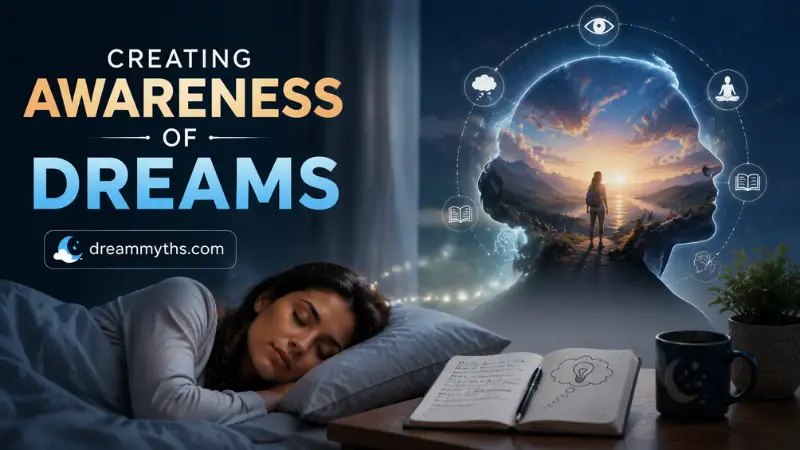
Awareness of dreams can increase through attention and reflection. People who focus on their dream experiences may notice patterns in their thoughts and emotions.
Dream awareness practices may include:
- Meditation
- Mindfulness
- Relaxation before sleep
- Dream journaling
- Personal reflection
These practices focus on understanding personal experiences rather than predicting the future.
FAQs
Why Do Humans Experience the Dream State?
Humans experience the dream state as part of normal brain activity during sleep. Dreams may involve memory processing, emotional experiences, imagination, and the brain’s way of organizing information.
What Are the Different Types of Dream States?
Different types of dream states include REM dreaming, lucid dreaming, normal dreaming, nightmares, hypnagogic states, and hypnopompic states. Each type involves different levels of awareness and dream experiences.
What Is the Spiritual Meaning of Dream State?
The spiritual meaning of dream state is often connected with inner awareness, intuition, reflection, and symbolic experiences. Different spiritual traditions may view dreams as sources of personal insight or deeper understanding.
Can You Be in a Dream State While Awake?
Yes, a person can experience dream-like states while awake through daydreaming, visualization, imagination, and other forms of internal mental imagery. These experiences happen while the person remains aware of their surroundings.
What Is Considered the Dream State?
The dream state is considered a condition where the mind creates images, thoughts, emotions, and experiences while a person is asleep. It commonly occurs during REM sleep but can also happen during other sleep stages.
What Is the Dream State Called?
The dream state is commonly called the REM state because many vivid dreams happen during rapid eye movement sleep. It can also be described as a dreaming state, altered consciousness, or a sleep-related mental experience.
Conclusion
Dream state meaning connects sleep, consciousness, brain activity, emotions, imagination, and personal awareness. The dream state represents a unique mental experience where the mind creates internal worlds through memories, thoughts, symbols, and feelings.
Dreams can be understood from different perspectives. Psychology focuses on mental processes, neuroscience examines brain activity, and spiritual traditions explore symbolic and personal meanings.
The dream state remains one of the most interesting parts of human consciousness because it shows how the mind can create powerful experiences beyond ordinary waking reality.
Understanding dreams does not require one fixed answer. The meaning of a dream state depends on the person, their experiences, and the perspective they use to explore it.